
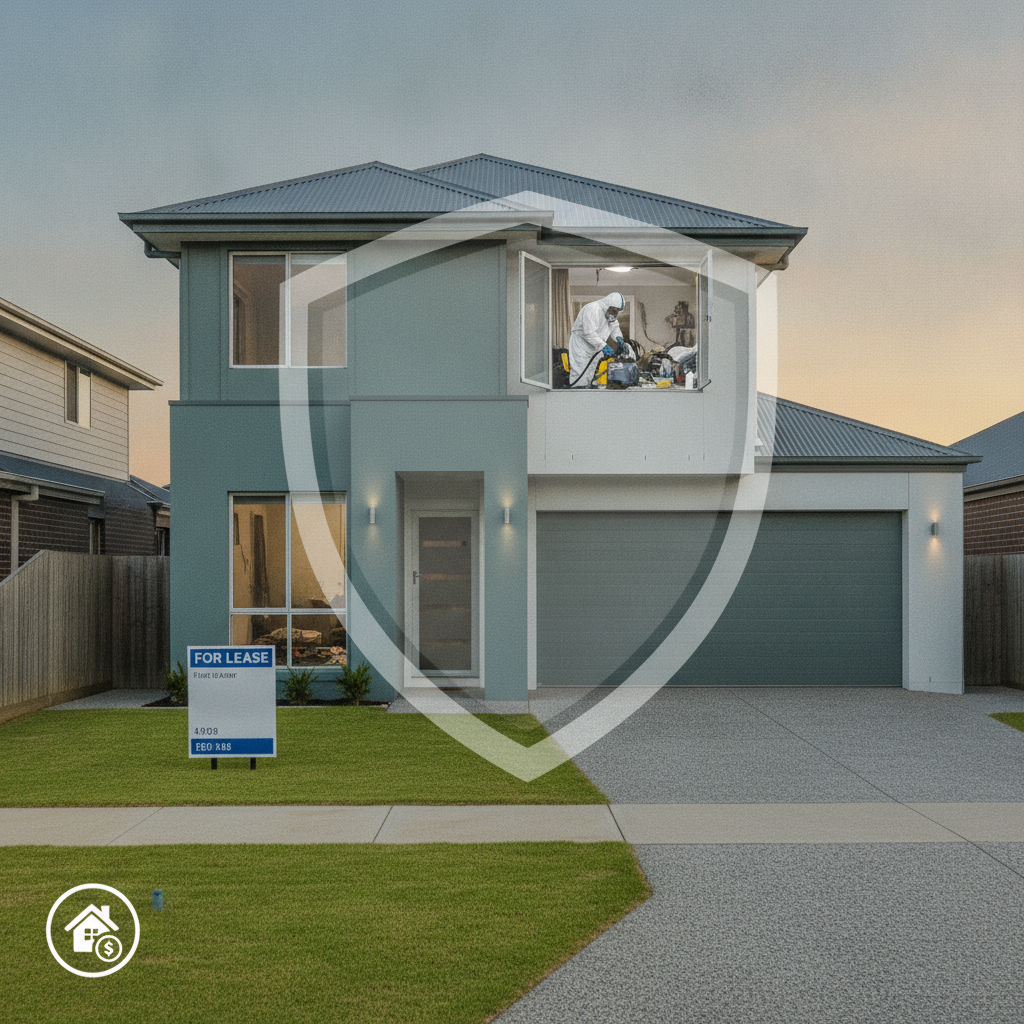
Owning a rental property can be a rewarding investment, but it also comes with inherent risks. Among the most concerning, and often underestimated, is the potential for drug contamination. Depending on the extent of drug contamination in a property, cleanup can be quite expensive, running into tens of thousands of dollars. A comprehensive landlord protection insurance policy can be a crucial financial buffer against the significant and often unexpected costs associated with drug contamination cleanup in a rental property.
Understanding the Scope of Drug Contamination in Rental Properties
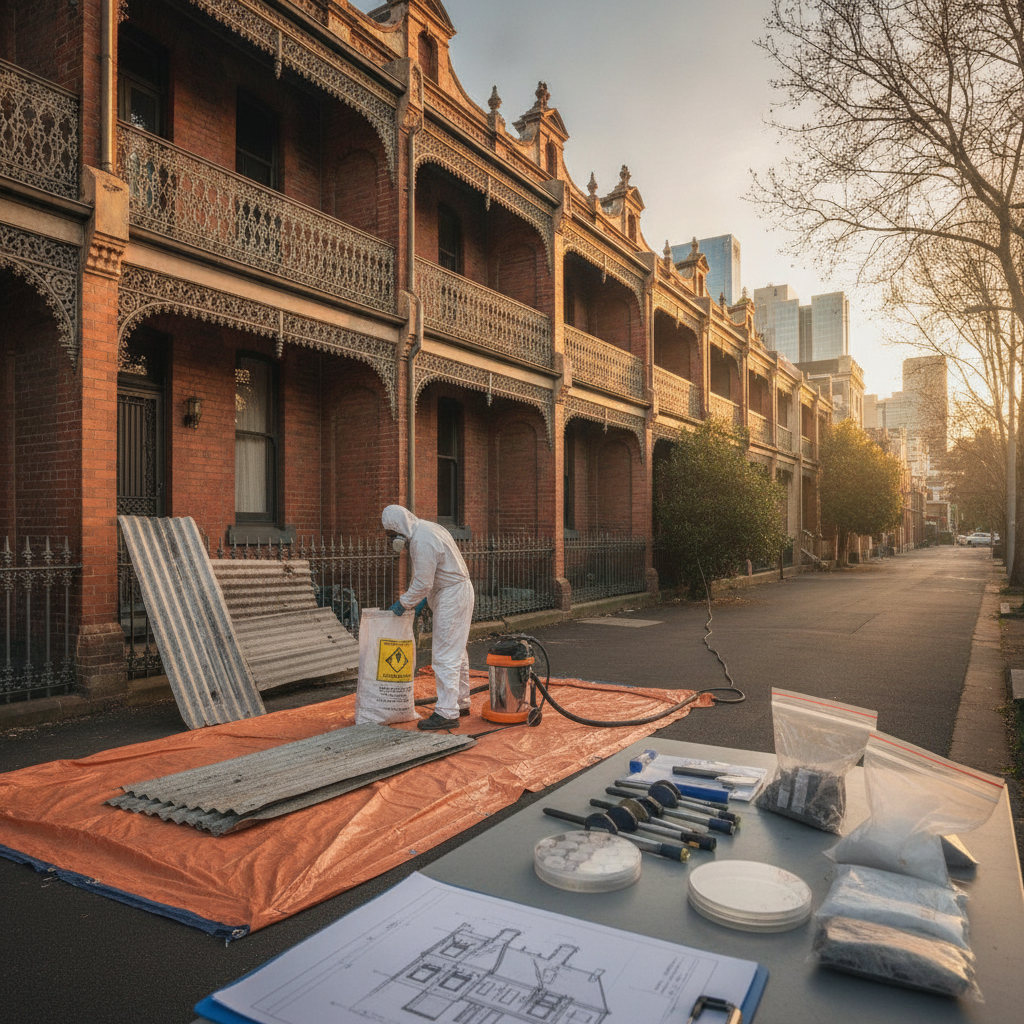
Drug contamination in rental properties primarily refers to residues left behind from the manufacture or heavy use of illicit drugs, most commonly methamphetamine (meth). These residues are not just superficial; they can permeate surfaces, ventilation systems, and even structural elements of a building. This hidden damage poses serious health risks to future occupants, including respiratory issues, skin irritation, and neurological problems, especially for children.
The financial impact on property owners is staggering. Costs often include:
- Specialised Testing: To confirm contamination levels and identify affected areas.
- Professional Decontamination: Requiring highly trained specialists and specific equipment to safely remove hazardous residues.
- Structural Repairs and Replacement: Contamination can damage plasterboard, carpets, curtains, and even electrical components, necessitating extensive repairs or complete replacement.
- Contents Disposal: Contaminated furniture and belongings often cannot be salvaged.
- Vacancy Periods: The property is uninhabitable during testing and cleanup, leading to significant loss of rental income.
- Legal Obligations: Property owners have a duty of care to provide a safe environment, and failing to properly remediate can lead to legal action.
Given these complex and costly challenges, proactive risk management is vital for every landlord.
What is Landlord Protection Insurance, and How Does It Help?
Landlord protection insurance is specifically designed to cover risks associated with renting out a property that standard home insurance policies typically don't. It safeguards your investment against financial losses due to tenant-related issues. While policies vary, common coverage includes damage to the property, loss of rent, and liability for injuries sustained on the property.
When it comes to drug contamination, landlord protection insurance can be invaluable. Many policies offer specific provisions for malicious damage caused by tenants, which can extend to damage resulting from drug manufacture or use. This can cover the significant costs of professional cleanup and remediation, helping you restore your property and minimise your financial burden.
Note: Not all landlord insurance policies are created equal. It's essential to understand the specific terms and conditions related to drug contamination, as coverage can differ significantly between providers.
Key Coverage to Look For: Protecting Against Contamination Costs
When selecting or reviewing your landlord protection insurance, pay close attention to the following aspects to ensure adequate coverage for drug contamination:
- Malicious Damage by Tenants: This is a cornerstone for drug-related issues. Ensure your policy covers damage (including chemical contamination) caused intentionally or recklessly by tenants or their guests.
- Cleanup and Remediation Expenses: Some policies may explicitly cover the costs of removing hazardous materials, including drug residues. Look for terms like 'hazardous substance cleanup' or 'chemical contamination remediation.'
- Loss of Rent Due to Uninhabitability: During the extensive cleanup process, your property will likely be vacant. Good landlord insurance should cover lost rental income for the period it takes to decontaminate and make the property safe again.
- Removal of Debris: Ensure the policy covers the cost of safely disposing of contaminated building materials, furniture, and other items.
- Policy Limits and Deductibles: Understand the maximum payout for drug contamination cleanup and your excess (deductible). Given the high costs involved, a higher coverage limit is preferable.
Common Exclusions to Be Aware Of
Be aware of common exclusions that might limit your coverage:
- Pre-existing Contamination: Policies typically won't cover contamination that existed before the policy started or before you acquired the property.
- Gradual Damage: Damage that occurs slowly over time, rather than a sudden event, might be excluded.
- Unauthorised Modifications: If the contamination resulted from unauthorised alterations made by the tenant that weren't reported.
Evaluating Your Policy: Questions to Ask Your Insurer
To ensure you're adequately protected, have a direct conversation with your insurance provider or broker. Here are crucial questions to ask:
- Does my landlord protection insurance policy specifically cover drug contamination cleanup (e.g., methamphetamine)? If not, is an endorsement or add-on available?
- Under what circumstances is drug contamination covered? Is it only if it's proven malicious damage by a tenant, or does it extend to accidental contamination?
- What is the maximum payout for drug contamination cleanup, including testing and remediation?
- Is loss of rent covered during the decontamination and repair period, and for how long?
- Are the costs of testing, specialist reports, and disposal of contaminated items included in the coverage?
- What is the claims process if I suspect or confirm drug contamination in my property? What documentation or evidence will be required?
- Are there any specific preventative measures I need to take to maintain coverage for this risk?
Getting clear, written answers to these questions will give you peace of mind and help you choose the right policy.
Pro tip: Always request a Product Disclosure Statement (PDS) and read the fine print carefully, particularly sections on 'damage,' 'hazardous materials,' and 'exclusions.'
A Proactive Approach: Beyond Just Insurance
While landlord protection insurance is a critical safety net, prevention and early detection also play a significant role in mitigating risk.
- Thorough Tenant Screening: Conduct comprehensive background and reference checks for all potential tenants.
- Regular Property Inspections: Perform routine inspections (within legal limits and with proper notice) to identify any suspicious activities or early signs of damage.
- Educate Yourself on Warning Signs: Be aware of indicators of drug activity, such as unusual odours, excessive security, blackened windows, or unusual chemical containers.
- Act Quickly if Suspected: If you suspect contamination, engage qualified professionals like Decon Solutions Australia immediately for testing and advice. Rapid action can limit the extent of damage and risk.
The Cost of Inaction: Why Landlord Protection is Non-Negotiable
The financial and reputational costs of neglecting landlord protection insurance, particularly in the face of drug contamination risks, are simply too high. Without it, property owners face:
- Devastating Financial Burden: Cleanup costs alone can wipe out years of rental income or even equity in the property.
- Prolonged Vacancy: Without the funds for quick remediation, your property could sit empty for months, accumulating further losses.
- Legal Liabilities: You could be held liable for health issues suffered by future tenants if the property isn't properly decontaminated.
- Diminished Property Value: A history of contamination can impact resale value, even after remediation, if not handled professionally and transparently.
Investing in a robust landlord protection insurance policy isn't just an expense; it's an essential investment in safeguarding your assets and ensuring your peace of mind.
Frequently Asked Questions
Does standard home and contents insurance cover drug contamination cleanup?
No, generally standard home and contents insurance policies do not cover drug contamination cleanup. These policies are designed for owner-occupied homes and typically exclude damage caused by illicit activities or specific chemical remediation. Landlord protection insurance, with specific coverage for malicious tenant damage or hazardous material cleanup, is usually required.
Is methamphetamine lab cleanup common for rental properties in Australia?
While not an everyday occurrence, methamphetamine lab contamination in rental properties is a significant and growing concern across Australia. Law enforcement agencies report thousands of clandestine drug laboratories detected annually, and many more go undetected. Property owners should remain vigilant and consider the risks.
How quickly should I act if I suspect drug contamination in my rental property?
You should act immediately if you suspect drug contamination. Do not enter the property yourself or allow anyone else to. Contact a professional assessment and decontamination service, like Decon Solutions Australia, as soon as possible. Prompt action is crucial for safety, minimising further damage, and ensuring potential insurance claims are handled effectively.